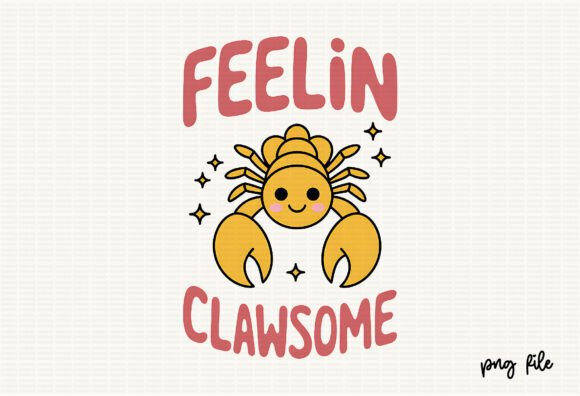
Hand Drawn Line Art Summer Lobster SVG
As someone who’s stitched hundreds of custom pieces—from boutique aprons to baby onesies and Etsy-bound embroidered patches—I opened the Hand Drawn Line Art Summer Lobster SVG with quiet curiosity, not hype. I wasn’t looking for “cute.” I was asking: *Will this hold up on a textured linen tote? Will it read clearly at 3 inches tall on a toddler’s sweatshirt? Does it feel handmade—not just digital—when stitched?
The first impression is warm and intentional. This isn’t a clipart lobster. It’s a relaxed, slightly asymmetrical line drawing—loose but confident—with subtle weight shifts in the strokes. The claws have gentle taper, the tail curls with quiet rhythm, and there’s breathing room around every curve. That negative space? It’s not an afterthought—it’s part of the design language. It tells me this will translate well into embroidery: no dense fill areas, no micro-details that vanish under thread, no fragile joins that’ll snap during hooping or wear.
I tested it as a custom embroidered tote bag for a coastal-themed small shop launch. Printed mockups looked charming—but real fabric told the truer story. On medium-weight canvas with a light tear-away stabilizer, the line art translated cleanly into running stitch with minimal satin accenting on the claws. No puckering. No thread breaks. Just clean, breezy definition—exactly what you want when your customer sees “handmade” as a promise, not a label.
Where it shines most: sweatshirt embroidery, tote bag design, and personalized gifts like baby bibs or kitchen towels. Its simplicity carries warmth without looking juvenile; its summer theme reads as timeless, not dated. On a charcoal heather sweatshirt? Crisp black thread pops beautifully. On ivory linen tea towels? A soft ecru or oat thread keeps it airy and artisanal. It’s equally at home on a patch (stitched with tight satin edges) or as a single chest motif on a unisex cap—provided you size it thoughtfully for the curved surface.
But—and this matters—Hand Drawn Line Art Summer Lobster SVG isn’t built for every context. Avoid using it below 2.5 inches on stretchy fabric like cotton jersey tees unless you reinforce with cutaway stabilizer and reduce stitch density manually. Tiny corners (like the tip of the smallest antenna) can blur if scaled too small or stitched too fast. And while it works on dark fabric, skip ultra-fine threads—go for 40-weight for clarity. Also, don’t force it into layered garments (think: reversible zip-up hoodies) without testing seam allowances and hoop clearance first.
For Etsy sellers and small shop owners, this design quietly lifts perceived value. It doesn’t scream “sale”—it invites pause. Customers notice the intention behind the line weight, the way the lobster feels drawn *by hand*, not generated. That nuance builds trust: it signals care, not convenience. When paired with thoughtful product photography—say, the embroidered lobster on a folded organic-cotton towel beside sea glass and dried lavender—it becomes more than decoration. It becomes part of a story customers want to own.
Visually, it supports brand consistency without demanding it. You can use it across nursery decor, holiday embroidery (think: lobster-adorned beach-themed baby shower favors), and even wedding gifts (a monogrammed lobster on a linen napkin set). It’s flexible enough for craft fair booths but refined enough for boutique branding—no rebranding needed if your aesthetic shifts from “coastal calm” to “modern cottage.”
Here’s what I do before cutting thread on any new digital embroidery file:
- Test on scrap fabric first—same weight and weave as my final piece;
- Check thread color contrast in natural light, not just screen preview;
- Review stitch density—this design runs lean, but always verify no unintended overlaps or gaps;
- Confirm hoop size compatibility—especially for caps or curved surfaces;
- Inspect small details in both zoomed-in and thumbnail views—does the antenna still read at 1.75 inches?
- Test in black-and-white mockups to assess silhouette strength;
- Compare performance on light vs. dark fabric backgrounds—not just for contrast, but for visual weight;
- Use proper stabilizer: light tear-away for stable wovens, cutaway for knits or lightweight linens;
- Verify licensing before selling finished items or bundling as design assets—the listing says “Hi-quality unique Design store,” but commercial use terms must be confirmed directly;
- Ask yourself: does this support my craft business goals—not just fill a slot?
This isn’t a “plug-and-stitch” graphic. It’s a machine embroidery design that rewards attention. Its strength lies in restraint: no gratuitous fills, no forced dimension, no competing elements. That makes it unusually versatile for custom apparel, embroidered patch production, and personalized gift lines where clarity and charm matter more than complexity.
If you’re curating T-Shirt Designs or building a library of Graphics for seasonal collections, treat Hand Drawn Line Art Summer Lobster SVG as a quiet anchor—not a headline act. It won’t dominate your homepage banner, but it will earn repeat orders from customers who recognize authenticity in a single, well-drawn claw.
Real talk: the best embroidery project isn’t the flashiest one. It’s the one that stitches cleanly, wears well, and makes the person holding the finished product smile—not because it’s loud, but because it feels true.